When It Became Personal
My own experience as a patient shaped how I practice.
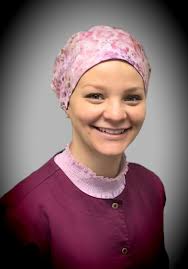
My perspective was shaped not only by years of advanced training, but also by my own experience as a patient.
While seven months pregnant with my first child, I was involved in a car accident and suffered bilateral fractures in my spine. My symptoms were attributed to pregnancy-related sciatica instead of my spinal injuries. Because I was pregnant, I couldn't take pain medications. Instead, I had to live with the pain while carrying a baby who grew heavier every day.
I knew something was wrong, but I couldn't make others understand what I was feeling.
Eventually, another physician took the time to listen to my story, examine me, and order additional imaging that revealed multiple fractures in my spine.
The fractures healed, but my pain did not.
For months, I continued searching for answers. The images showed healing, yet my body still hurt. That experience taught me that healing on an image does not always mean the body has returned to normal function. The body continues to adapt, compensate, and protect itself long after an injury has healed.
It wasn't until I was introduced to osteopathic principles that I finally found a framework that explained what I had experienced. For the first time, someone looked beyond the image and considered how my body had adapted over time.
That experience changed the way I practice medicine. It taught me to listen first, examine carefully, and understand the body as a dynamic system — not just a collection of structures on a scan.
Today, those principles form the foundation of the Head & Neck Decompression Method™ — an approach that looks beyond symptoms to identify compression, understand compensation, and restore function.
Healing on an image does not always mean the body has returned to normal function.